


How to Study the Bible with Kids: A Creative Way to Explore God's Word
Have you ever sat down to study the Bible with your kids and wondered where to begin?
Maybe you’ve tried reading a passage together, asking a few questions, and hoping something sticks. Or perhaps you’ve collected Bible coloring pages, crafts, and activities but aren’t sure how to connect them to what you’re reading.
Here’s something I’ve learned over the years: Bible study with kids doesn’t have to be complicated, and it doesn’t have to look like school.
Sometimes all it takes is a little curiosity, an open Bible, and a willingness to follow where the Scripture leads. Sometimes, it’s an adventure!
That’s the heart behind the way we explore God’s Word at Forget Him Knot.
Rather than rushing through a lesson or trying to squeeze every possible activity into one sitting, I like to approach Bible study as an adventure. We notice something, explore it a little further, create something that helps us remember, and then look for ways to carry what we’ve learned into everyday life.
Let’s walk through what that can look like.
Start With the Bible, Not the Activity
I love creative Bible activities. That’s probably not a surprise!
But I also believe the activity should grow out of what we’re discovering in Scripture, rather than choosing a craft first and trying to find a Bible verse to go with it.
Start with a passage. It doesn’t have to be long.
You might choose a Bible story, a few verses from Proverbs, a psalm, or something Jesus taught. You can even snag our free Monthly Bible Verse Calendar filled with themed Bible verses.
Read it together, or let older children read independently.
Then, instead of immediately explaining everything, give them a chance to notice something for themselves.
You might be surprised by what catches their attention!
Four Simple Ways to Explore Scripture With Kids
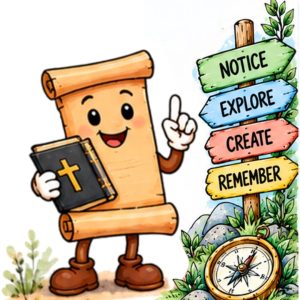
I use four steps to guide our Bible Adventures:
Notice • Explore • Create • Remember
They’re not complicated rules or a checklist that has to be completed in one sitting. They’re simply ways to help children spend meaningful time in God’s Word.

1. NOTICE — What Catches Your Attention?
Before we start digging into a passage, we need to pay attention to what we’re reading.
Who is speaking? What’s happening? Is there a word, phrase, promise, or question that stands out?
For example, read Proverbs 3:5–6.
There are several words worth noticing in those two verses: trust, heart, understanding, acknowledge, and paths.
Instead of explaining all of them right away, ask:
What word caught your attention?
What does the passage tell us to do?
What di you want to understand better?
Sometimes one little word can lead to a wonderful discovery. A simple word like “trust” or even the word “in” can be an adventure.
And that’s a good place to begin.

2. EXPLORE — Let’s Look a Little Closer
Now we’re ready to investigate!
This is where we slow down and begin connecting what we’ve noticed to the rest of the passage or other places in Scripture.
Using Proverbs 3:5–6, we might wonder what it means to trust God instead of leaning on our own understanding.
We could look at Proverbs 3:1–7 to see what else Solomon teaches about wisdom and trusting the Lord.
Or we might explore a Bible story where someone had to trust God without knowing exactly what would happen next.
The goal isn’t to collect as many verses as possible. It’s to understand what we’re reading.
Here are a few ways to explore:
Look for repeated words or ideas.
Compare two related passages.
Find out who is speaking and who is listening.
Investigate what happened before or after a Bible story.
Look for what the passage reveals about God.
And don’t worry if you don’t have every answer.
Sometimes a good question is the beginning of the next adventure!
3. CREATE — Make the Discovery Memorable
Here’s where we bring a little creativity into our Bible study.
Creating something gives children another way to think about what they’ve discovered. It might involve drawing, writing, coloring, building, or putting together a simple visual reminder.
But there’s something important I want to mention.
We don’t have to make something elaborate for it to be meaningful.
A quick sketch can be just as useful as a complicated craft.
Think about Proverbs 3:5–6 again.
Children could draw a winding path and write the word TRUST along it. They might add the Scripture reference or a few words that remind them what they’ve learned.
That’s it!
The purpose isn’t to create a masterpiece. It’s to give the discovery a place to stick.
And if your child doesn’t enjoy drawing? That’s okay, too. A written phrase, a few colored words, or another simple hands-on activity can accomplish the same thing.
You don’t have to be an artist to explore God’s Word creatively.

4. REMEMBER — Take God’s Word With You
This might be my favorite part.
We can read Scripture, answer questions, and make something beautiful, but I don’t want the discovery to end when we close our Bibles.
I want us to remember what we’ve learned.
Sometimes that means memorizing a verse. Other times it means recognizing a situation where we can put God’s Word into practice.
If we’ve been learning about trusting the Lord, we might think about something we’re worried about or a decision we’re facing.
What does Proverbs 3:5–6 remind us to do?
The goal isn’t to come up with a perfect answer or promise that we’ll never struggle.
It’s to begin recognizing how God’s Word connects to the things we experience every day.
And sometimes we’ll need to come back to the same passage again.
What If You’re Teaching Different Ages Together?
One of the challenges of family Bible study is figuring out how to include children who are at different stages.
A preschooler and a ten-year-old aren’t going to investigate Scripture in exactly the same way.
But that doesn’t mean they need completely different Bible passages.
You can explore the same Scripture together and adjust how each child responds.
Younger children might listen to the story, point out something they noticed, color an illustration, or draw a simple picture.
Older children can read more independently, investigate related passages, write their discoveries, and explore deeper questions.
And adults? We can learn right alongside them.
I love the idea of a family discovering something together, even when everyone approaches it a little differently.
The important thing isn’t that every child completes the same activity. It’s that everyone has an opportunity to engage with God’s Word.
How Long Should a Bible Study With Kids Take?
There’s no magic number.
Some days you might spend fifteen minutes exploring a passage. Other days a question leads to another Scripture, another discovery, and a much longer conversation.
And sometimes you need to stop right in the middle and come back tomorrow.
That’s okay!
You don’t have to finish an entire Bible study in one sitting.
In fact, I think we sometimes rush through Scripture because we’re so focused on completing the lesson.
But the goal isn’t to finish the page.
The goal is to spend time in God’s Word, understand what we’re reading, and remember what we’re discovering about Him.
So give yourself permission to slow down.

Want a Little Help Getting Started? Meet Remy’s Bible Adventures!
This approach to Bible study is exactly why I created Remy’s Bible Adventures at Forget Him Knot.
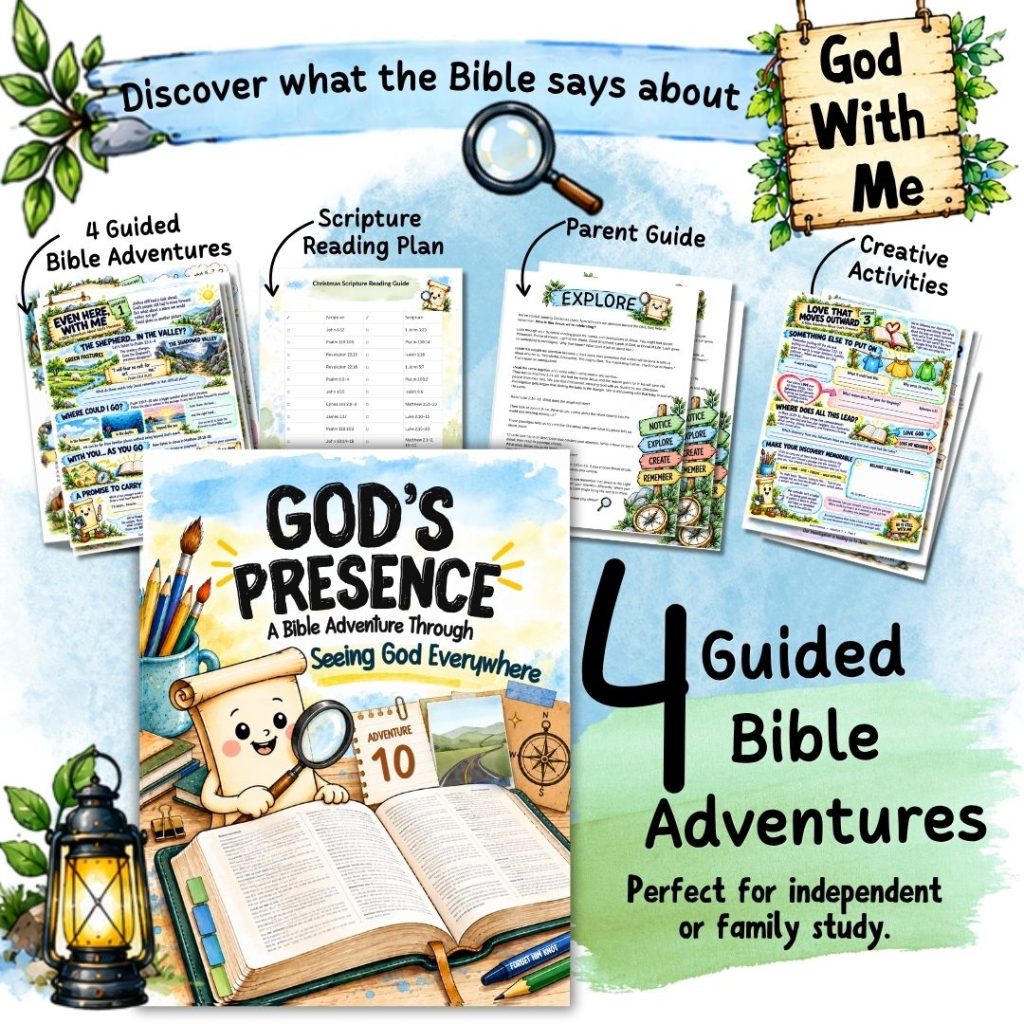
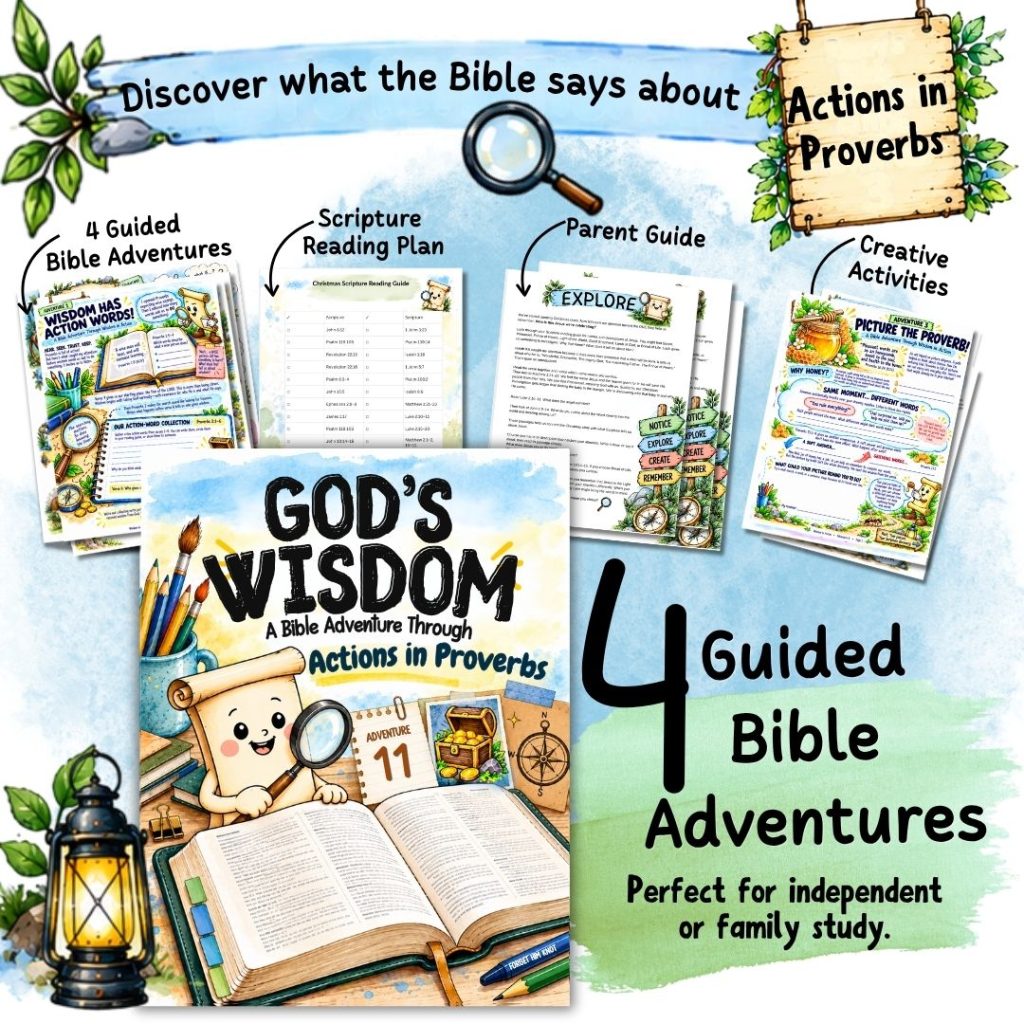
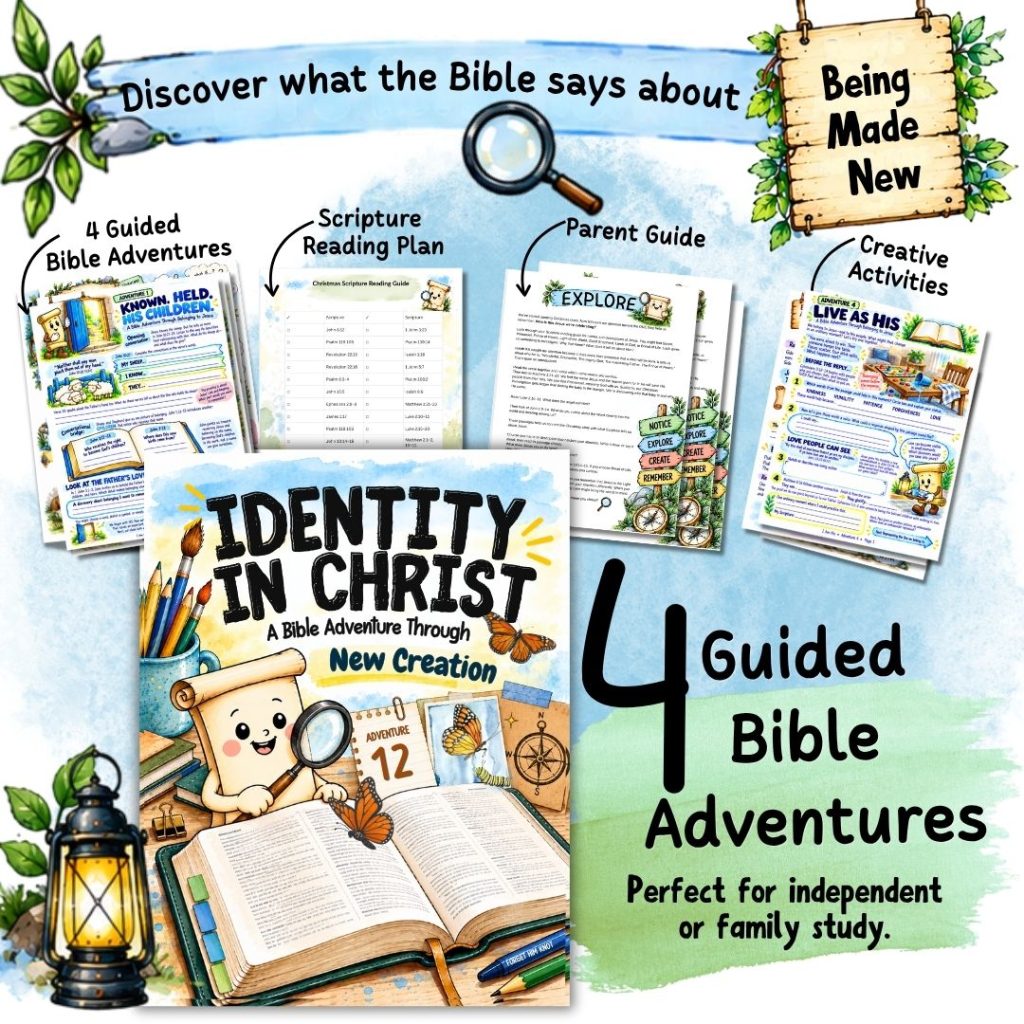
Each themed collection gives children a guided way to Notice, Explore, Create, and Remember God’s Word.
Rather than simply handing children a worksheet filled with questions, the Adventures invite them to investigate Scripture, follow connections, discover what God is teaching, and respond creatively.
And Remy, our friendly little scroll, comes along to help guide the way!
What's Inside a Bible Adventure Collection?
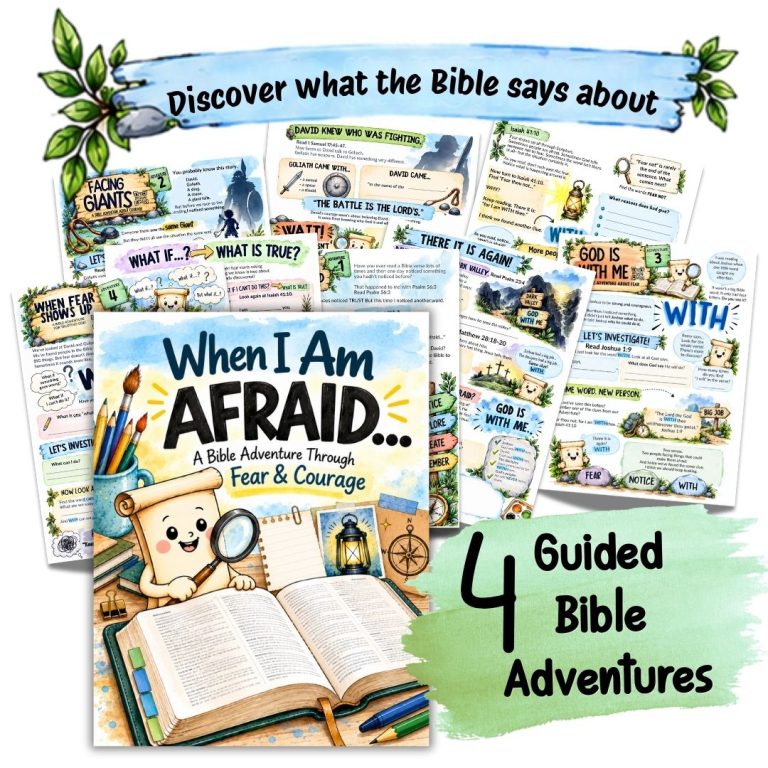
Each themed collection includes:
Four guided Bible Adventures that work together to explore a central theme.
Scripture investigations with passages to read, clues to follow, and discoveries to record, so you can explore the passages at your own pace.
Creative moments that help children remember what they’ve learned.
A Parent Guide with additional background, questions, and ideas for exploring together.
The Adventures are designed to be flexible. Children can work through the pages independently when they’re ready, or families can explore them together.
And you don’t need to complete an Adventure in a certain number of days.
Take your time. Follow what catches your attention.
Choose Your Next Bible Adventure
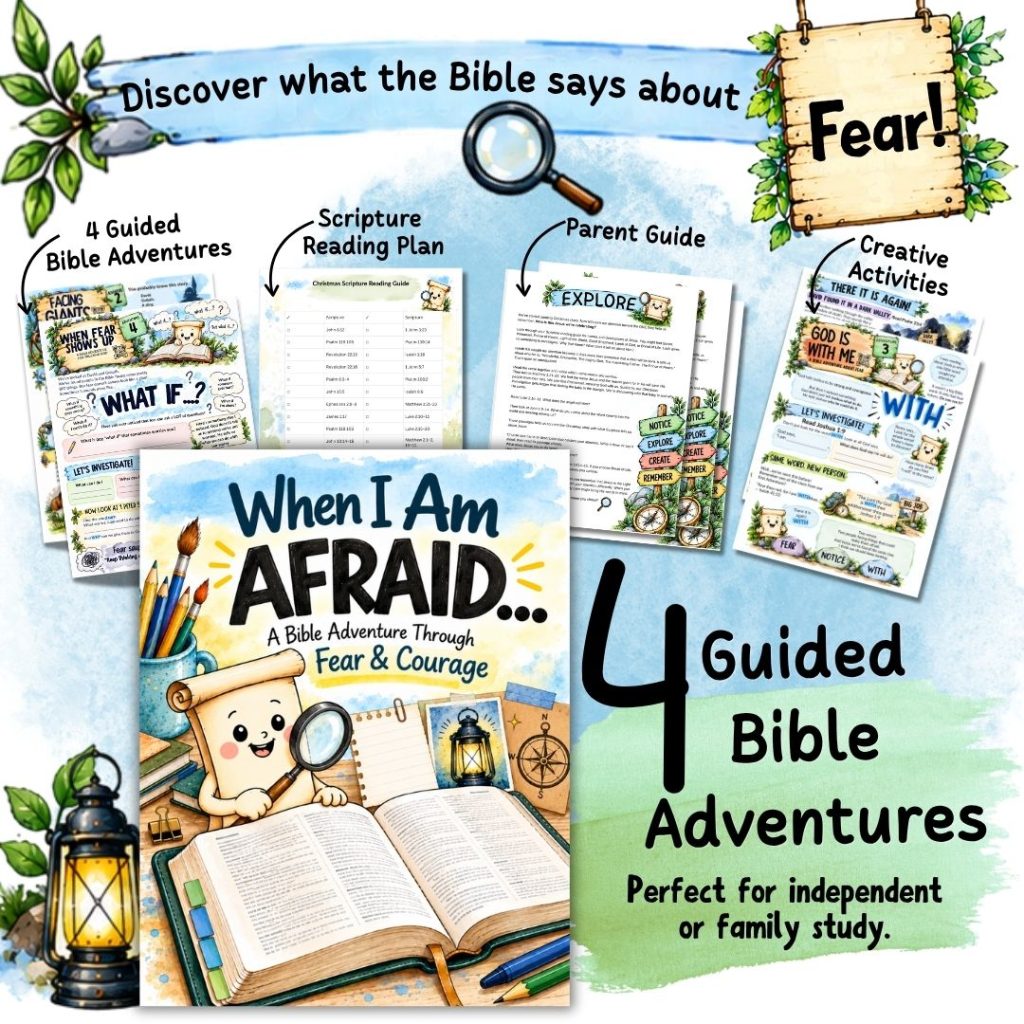
Every collection explores a different theme through Scripture.
You might begin by discovering what God’s Word says about courage when we’re afraid, learning more about who God is, following Jesus through the resurrection accounts, or investigating what it means to grow in relationship with Him.
Each collection offers a new opportunity to open your Bible and see what you discover.
Choose a theme that interests your family and begin exploring!
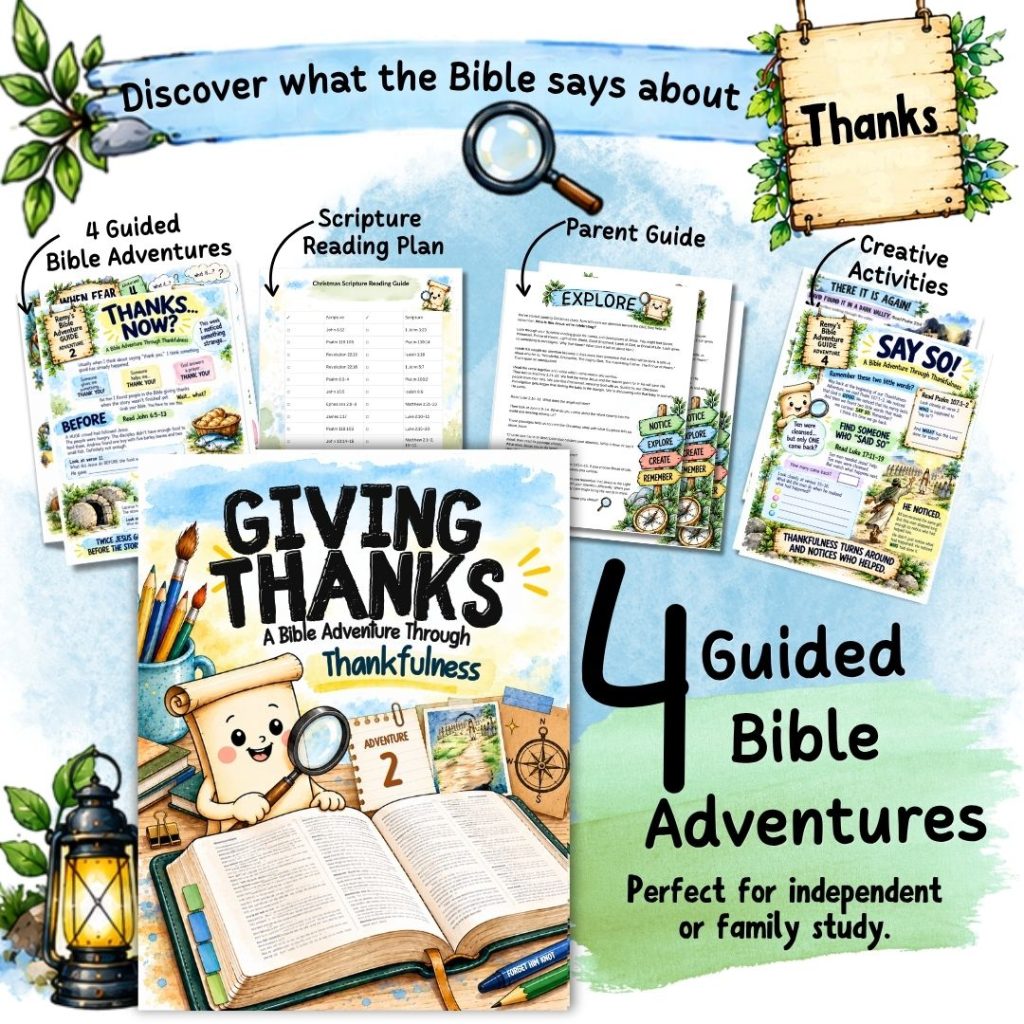
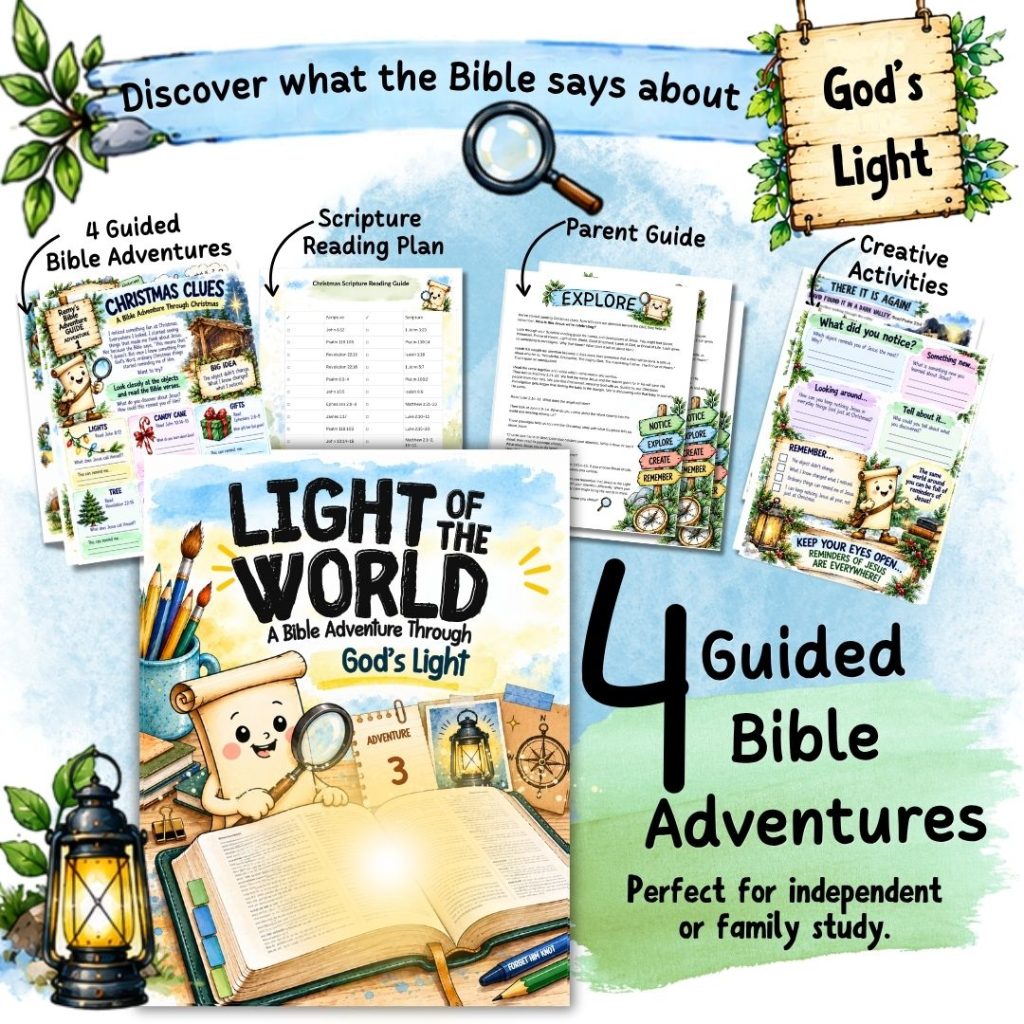
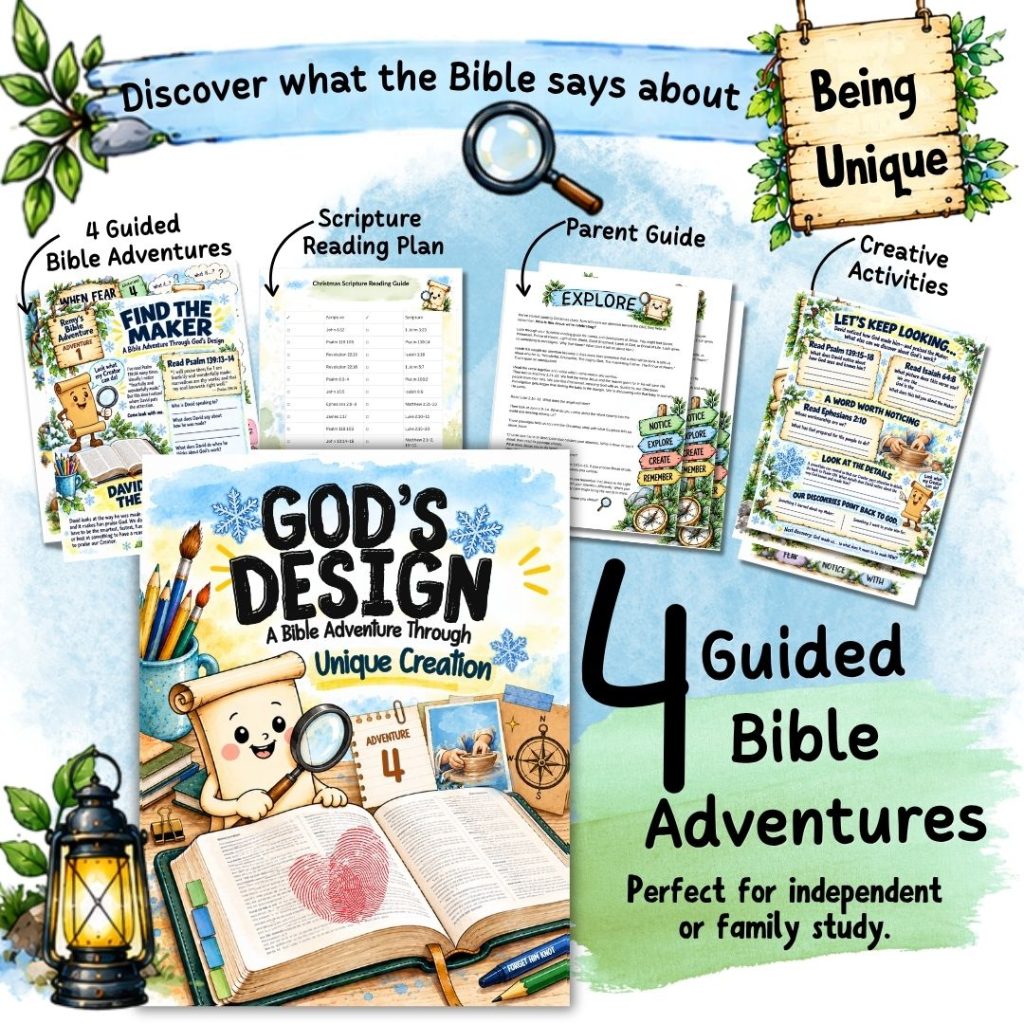
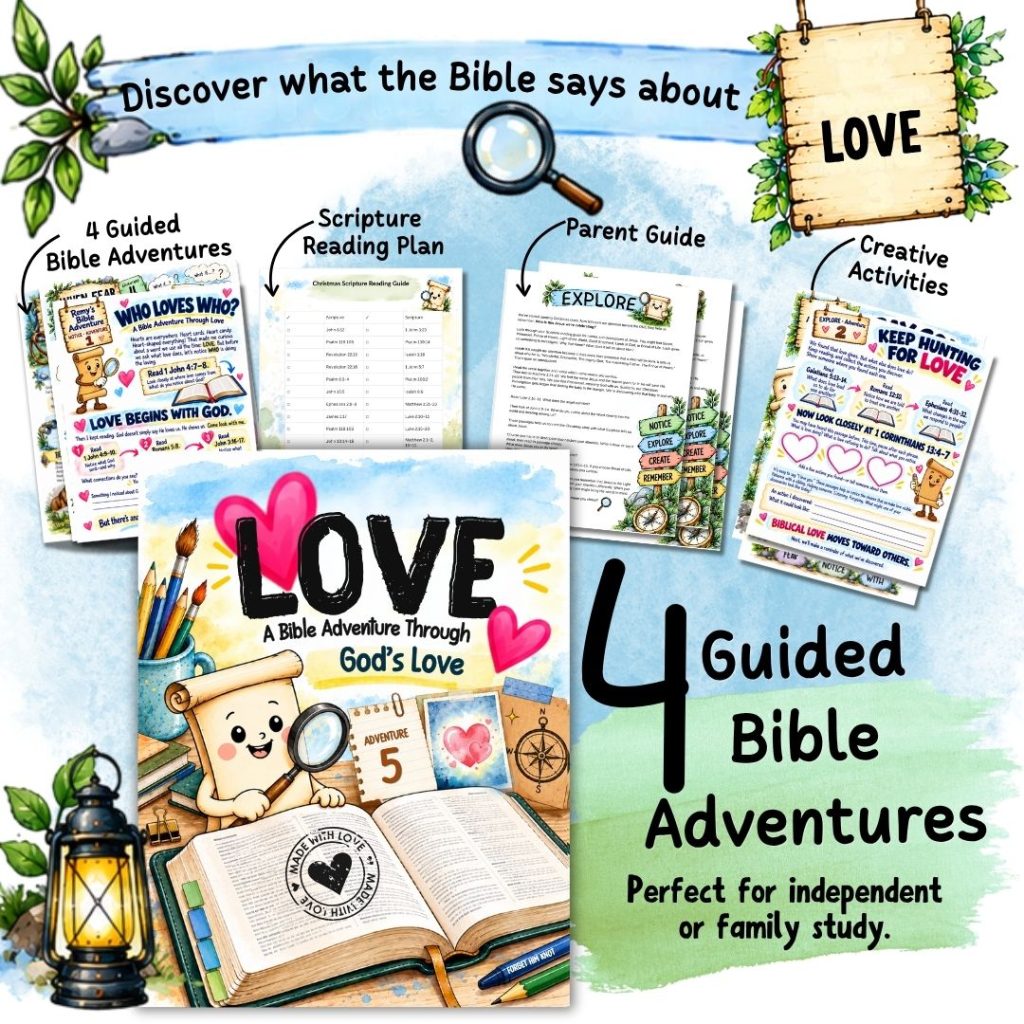
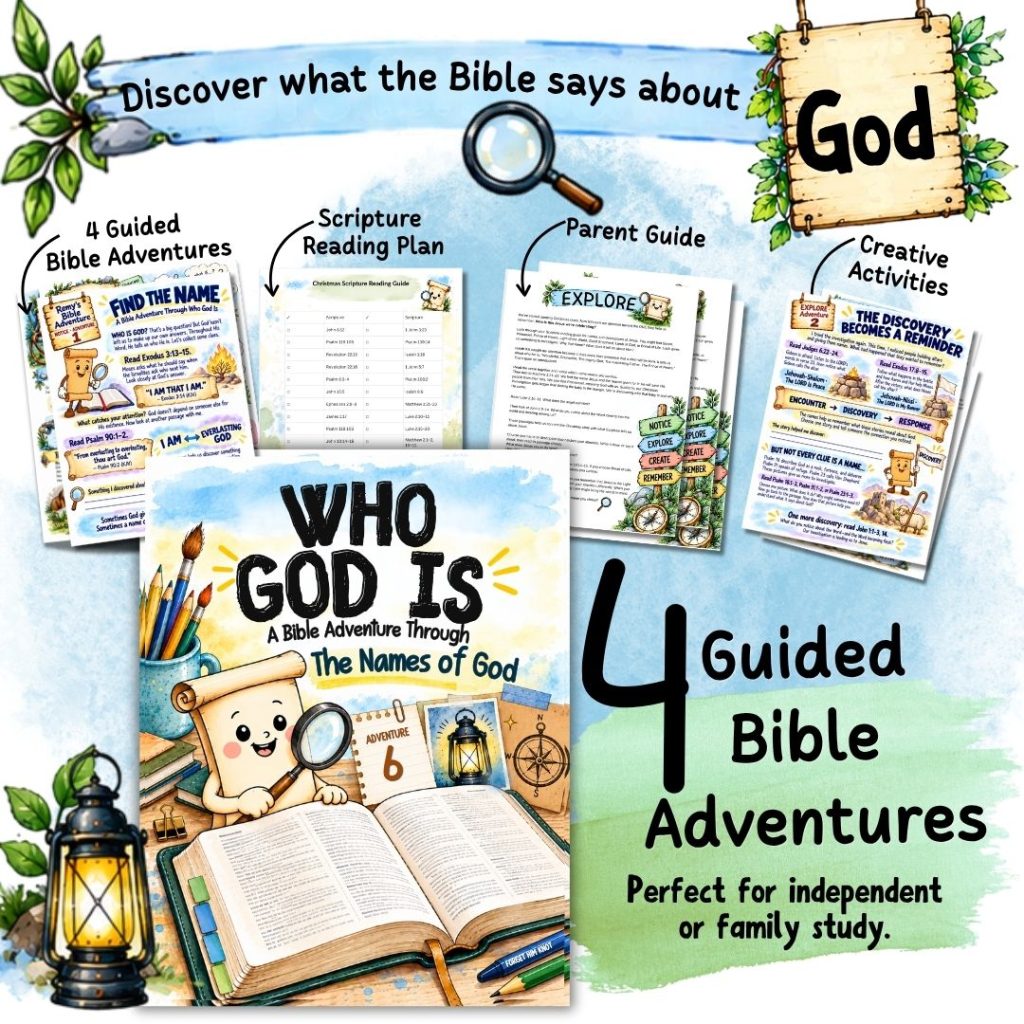
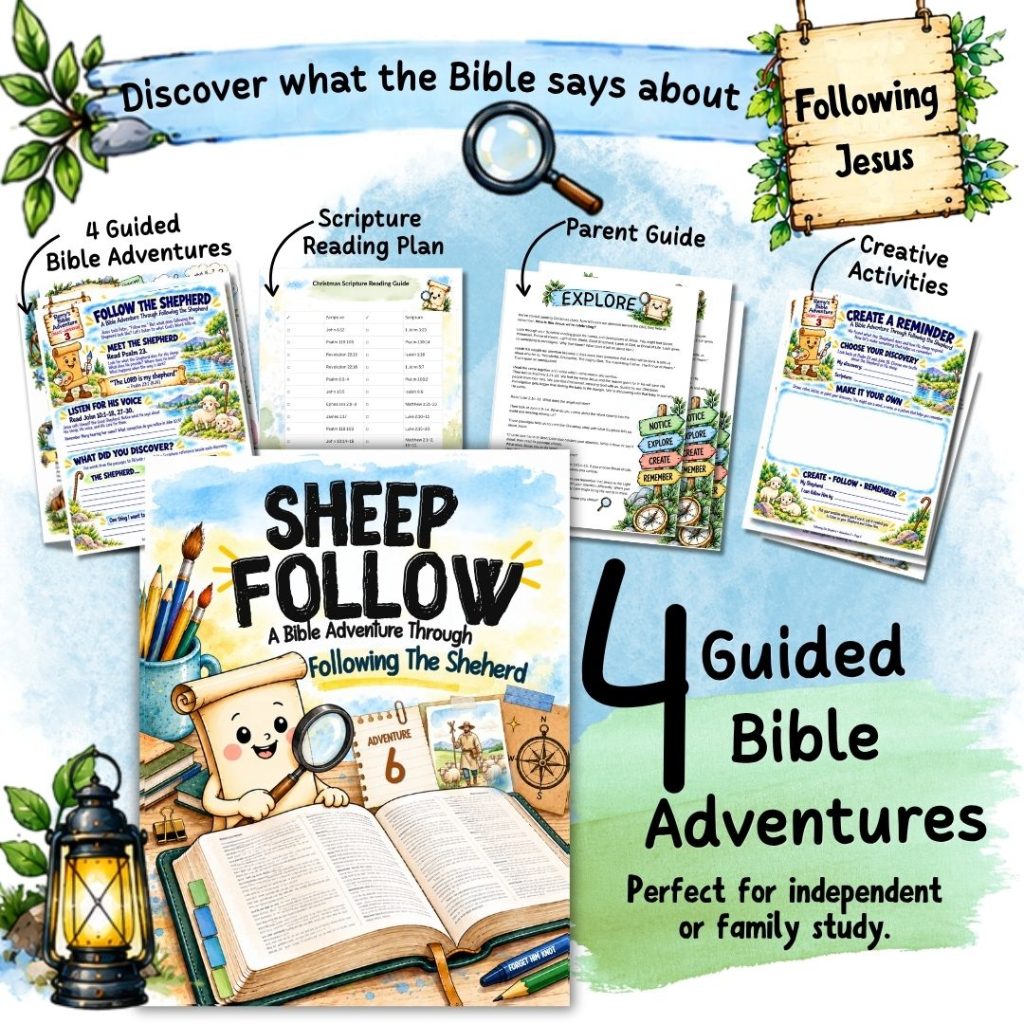
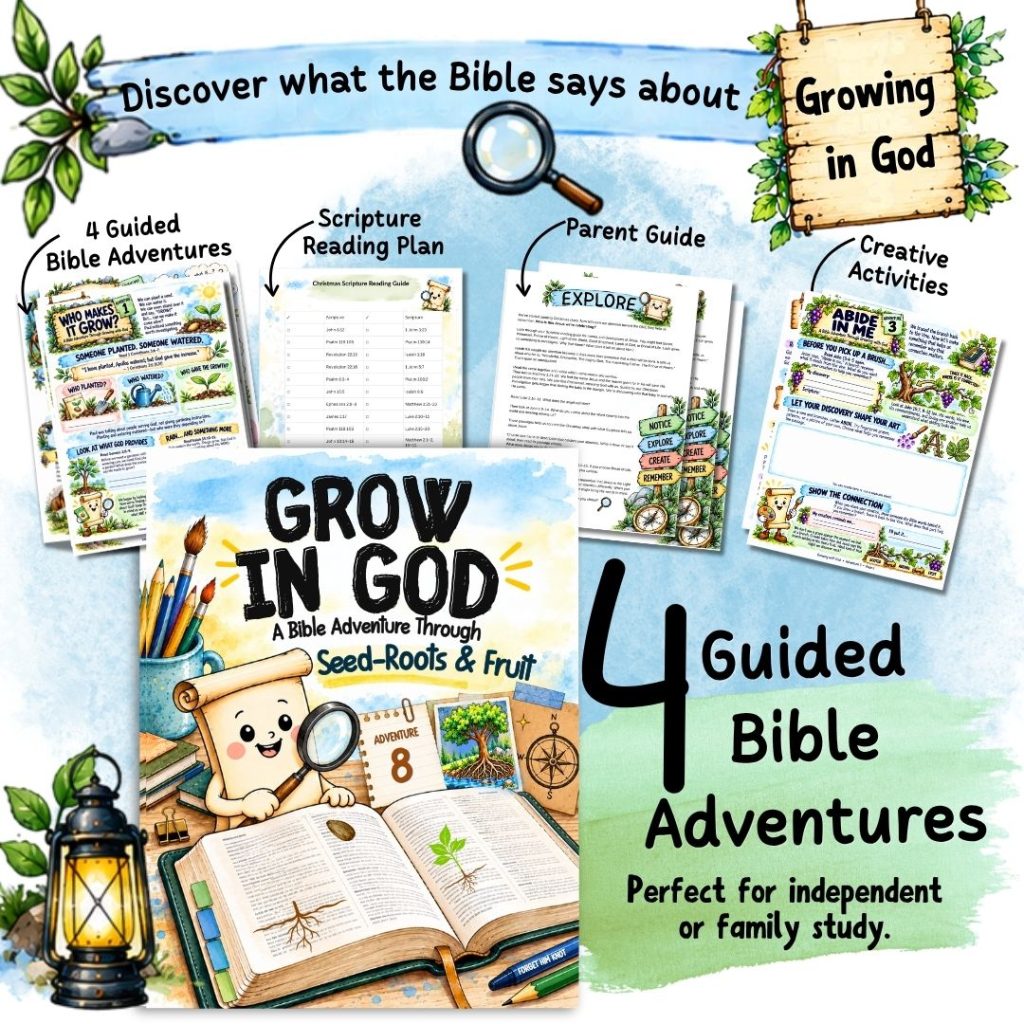
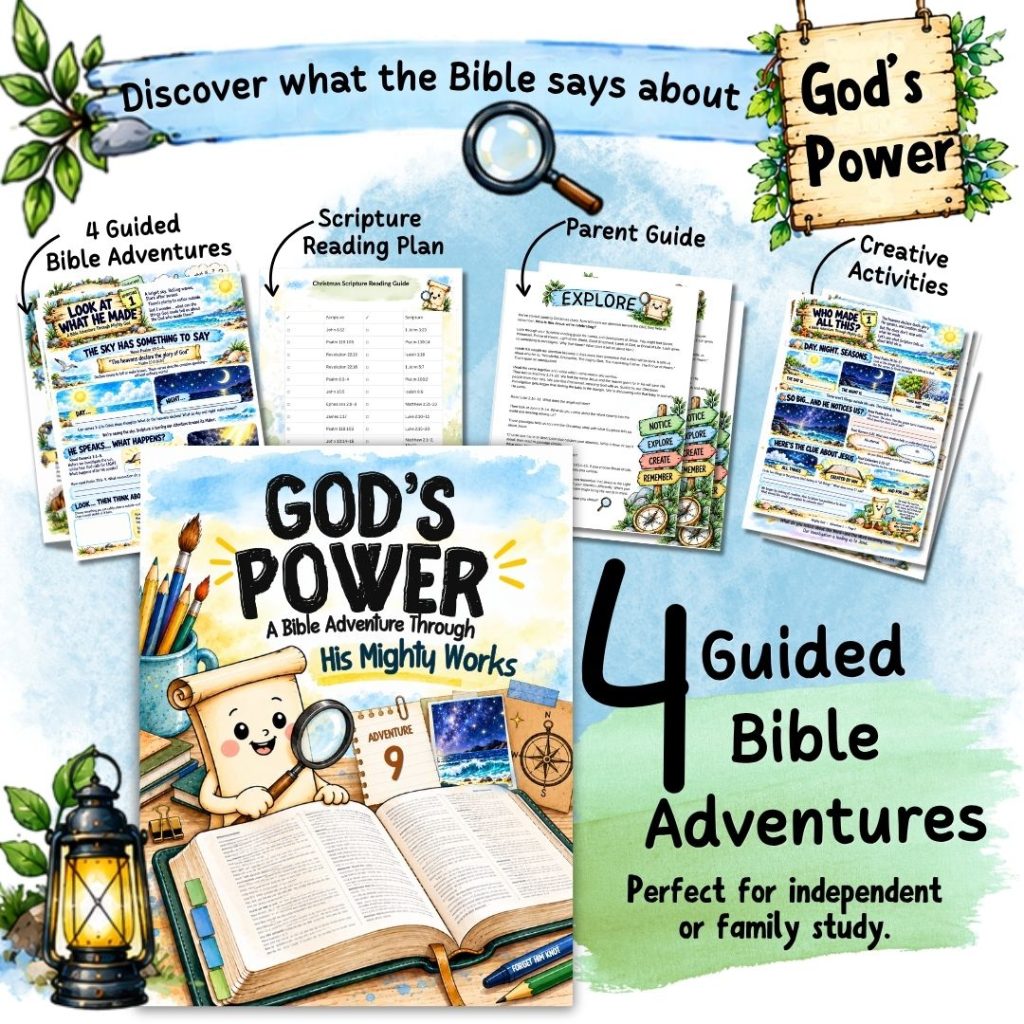
Choose Your Next Bible Adventure
Whether you’re using one of our Bible Adventures or simply opening your Bible together at the kitchen table, I hope you’ll remember this:
You don’t have to have everything planned out.
You don’t need complicated supplies.
And you certainly don’t need to know every answer before you begin.
Grab your Bible. Notice something. Explore a little deeper. Create a reminder. And carry God’s Word with you.
There’s always something more to discover.
Let’s keep remembering the Lord in creative ways!


